
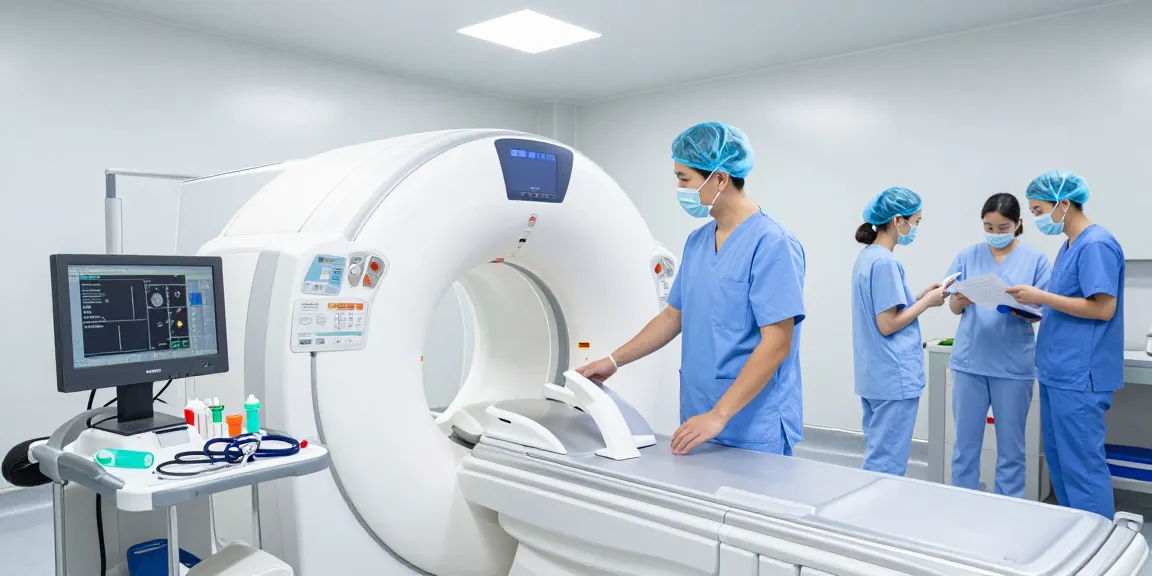
Understanding Equipment Medical Standards
In the rapidly evolving landscape of healthcare, understanding the standards and practices surrounding Equipment Medical is essential for ensuring patient safety and optimal operational efficiency. Medical equipment varies widely, encompassing diagnostic technologies, monitoring devices, and surgical instruments, all of which play critical roles in modern medicine. Understanding these components not only helps healthcare professionals comply with regulations but also enhances the quality of care provided to patients.
What is Equipment Medical Quality?
Equipment Medical Quality refers to the efficacy, safety, and reliability of medical devices and instruments used in the healthcare sector. This encompasses a variety of factors, including the materials used in manufacturing, the precision of the instruments, and rigorous testing to meet safety standards. High-quality medical equipment is crucial for accurate diagnostics and effective treatment, ultimately contributing to better patient outcomes.
Key Regulations and Compliance Requirements
Maintaining compliance with industry regulations is vital for medical equipment manufacturers and healthcare providers. Regulatory bodies, such as the U.S. Food and Drug Administration (FDA) and Health Canada, establish stringent guidelines to ensure that medical devices are safe for use. Compliance involves conducting thorough risk assessments, maintaining detailed documentation, and adhering to quality management processes such as ISO 13485. This compliance not only protects patients but also mitigates legal and financial risks for healthcare facilities.
Importance of Equipment Medical Certification
Certification of medical equipment signifies that a product meets established safety and efficacy standards. It provides assurance to healthcare providers and patients alike that the equipment has undergone rigorous testing and evaluation. Certifications from recognized bodies, such as the FDA or CE marking in Europe, are indicators of quality and can influence purchasing decisions in the healthcare sector. Maintaining up-to-date certifications is essential as it reflects a commitment to quality and innovation in healthcare practices.
Essential Types of Equipment Medical
Healthcare facilities rely on a diverse range of medical equipment to provide high-quality care. Understanding the different types of equipment medical is crucial for effective management and optimal patient care.
Diagnostic Tools: MRI and CT Scanners
Magnetic Resonance Imaging (MRI) and Computed Tomography (CT) scanners are pivotal in diagnosing various medical conditions. MRI provides detailed images of soft tissues, while CT scans offer quick, cross-sectional views of the body, making these tools indispensable in emergency and routine diagnostics. Continuous advancements in imaging technologies promise enhanced image quality and reduced exposure to radiation, ensuring safer diagnostic procedures.
Patient Monitoring Equipment: Heart Rate and Vital Signs
Monitoring equipment, such as heart rate monitors and vital signs machines, is essential for tracking a patient’s health status, especially in critical care settings. These devices provide real-time data, allowing healthcare professionals to make timely and informed decisions regarding patient treatment. Innovations in wireless technology and remote monitoring are transforming how patient data is collected and analyzed, leading to improved outcomes.
Surgical Instruments: Precision and Sterilization
The effectiveness of surgical procedures largely depends on the precision and reliability of surgical instruments. These tools must not only be durable but also require proper sterilization protocols to prevent infections. With the introduction of advanced materials and design innovations, surgical instruments are becoming more efficient and user-friendly, substantially improving surgical outcomes.
Best Practices for Equipment Medical Maintenance
Effective maintenance practices are crucial for ensuring the longevity and efficiency of equipment medical. Regular maintenance not only extends the life of the equipment but also enhances patient safety.
Regular Inspections and Testing Protocols
Regular inspections and testing of medical equipment are vital for identifying potential issues before they lead to equipment failure. Establishing a routine maintenance schedule that includes performance testing, calibration, and inspections can help ensure that all equipment operates efficiently and safely.
Staff Training on Equipment Usage
Comprehensive training for healthcare staff on the proper use and maintenance of medical equipment is essential. Staff should be educated about the equipment’s features, limitations, and proper handling procedures to minimize the risk of accidents and ensure optimal performance.
Documentation of Maintenance Activities
Keeping detailed records of all maintenance activities is crucial for compliance and safety audits. Documentation should include service dates, performed tasks, and any parts replaced. This practice not only helps in tracking the condition of the equipment but also aids in regulatory compliance and can serve as a reference during inspections.
Challenges in Equipment Medical Management
While managing medical equipment can bring numerous benefits, several challenges also need to be addressed to optimize the effectiveness of healthcare delivery.
Common Issues in Equipment Lifecycle
Managing the lifecycle of medical equipment involves addressing challenges such as wear and tear, technological obsolescence, and compliance with evolving regulations. Healthcare facilities must develop strategic plans that include upgrading or replacing outdated equipment to maintain high standards of care.
Addressing Technological Advances in Healthcare
The rapid pace of technological advancement presents both opportunities and challenges for equipment medical management. Healthcare facilities must continuously evaluate new technologies and consider how they can integrate these innovations into their existing systems while ensuring staff are adequately trained to use them effectively.
Managing Budget Constraints for Equipment Acquisition
Budget constraints often pose significant challenges in acquiring and maintaining medical equipment. Healthcare administrators must balance the need for advanced equipment with available financial resources. Strategic leasing options, grants, and partnerships can help alleviate some of these financial burdens, allowing facilities to invest in essential equipment without compromising patient care.
Future Trends in Equipment Medical for 2026
The landscape of medical equipment is on the brink of significant transformation as we approach 2026. Understanding these trends will be essential for healthcare professionals hoping to stay ahead in the field.
Innovations in Diagnostic Technologies
As technology continues to evolve, the future of diagnostic tools looks promising. Innovations such as artificial intelligence (AI) in imaging and diagnostic algorithms will enhance accuracy and speed in diagnosing conditions. These advancements could lead to earlier detection of diseases, ultimately improving patient outcomes.
Telehealth and Remote Equipment Usage
The ongoing expansion of telehealth capabilities is changing how healthcare is delivered. Remote monitoring devices enable healthcare professionals to track patient health metrics from a distance, which is particularly beneficial for patients in rural areas or those with limited mobility. This trend will likely grow, providing greater access to care and improving patient engagement.
Sustainable Practices in Medical Equipment
As the healthcare industry becomes more aware of its environmental impact, sustainable practices in medical equipment usage will gain traction. This includes developing eco-friendly devices, minimizing waste, and implementing energy-efficient technologies. These practices not only benefit the environment but can also reduce operational costs in the long run.
What types of Equipment Medical are essential?
Essential types of medical equipment encompass diagnostic tools, patient monitoring devices, and surgical instruments, all of which play a pivotal role in healthcare delivery.
How do I ensure Equipment Medical compliance?
Ensuring compliance involves adhering to regulatory standards, conducting regular inspections, and maintaining certifications for all medical equipment used in healthcare facilities.
What are the best practices for Equipment Medical maintenance?
Best practices include regular inspections, adequate staff training, and thorough documentation of all maintenance activities.
How can technology improve Equipment Medical management?
Technological advancements can streamline equipment management through improved tracking, remote monitoring capabilities, and data analysis, which enhance operational efficiency and patient care.
What future trends should healthcare professionals watch for?
Healthcare professionals should monitor innovations in diagnostic technologies, the growth of telehealth, and the importance of sustainable practices in medical equipment management as we approach 2026.
